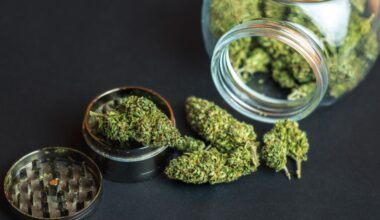

A few years ago, Jordan would have spent an entire afternoon driving between shops to compare cannabis products, read labels, and ask questions about different options. Now, a quick online search brings up countless product pages, descriptions, and claims about quality. The convenience is appealing, but Jordan soon realizes that choosing cannabis online takes more than finding an attractive price. Knowing which sellers are legal, how to read product information, and what Canadian regulations require can make the process much easier to understand.
Understanding Canada’s Legal Cannabis Market
Canada legalized recreational cannabis for adults under the federal Cannabis Act in 2018. However, legalization does not mean every website selling cannabis is operating legally. Provincial and territorial governments have their own rules covering the sale, distribution, minimum age, and retail availability of cannabis.
Before exploring any online seller, check the regulations that apply where you live. In many provinces and territories, legal purchases must be made through government-operated retailers or provincially authorized private retailers. The rules differ by location, so a website that serves one province may not be authorized to sell to customers elsewhere.
Health Canada provides official information about cannabis laws, health considerations, and legal access. Its guidance is a useful starting point for anyone who wants to understand the requirements before considering a purchase.
You can review the federal government’s information here: Health Canada cannabis resources.
How to Evaluate an Online Cannabis Seller
An attractive website does not automatically mean a seller is trustworthy. Online shoppers should look beyond product photos, promotional language, and discounts to understand who operates the business and whether it is authorized to sell cannabis in their province or territory.
Consider these factors when reviewing a retailer:
- Legal authorization: Check the retailer against official provincial or territorial resources. Do not assume a seller is licensed simply because its website looks professional.
- Clear business information: Look for a verifiable business name, contact details, and transparent policies.
- Product descriptions: Reliable information should explain the product type, package size, THC and CBD content where applicable, and other relevant details.
- Pricing transparency: Review the full cost, including applicable taxes, delivery charges, and other fees.
- Privacy and payment policies: Understand what information the website collects and how it handles personal and payment details.
- Age verification: Legal retailers must follow applicable age restrictions. A site that ignores age requirements should raise concerns.
Be cautious of sellers that make extraordinary health claims, hide their business identity, or pressure visitors to purchase immediately. A legitimate retailer should provide information that allows customers to make informed decisions without relying on exaggerated promises.
Reading Cannabis Product Information
Cannabis products come in several forms, including dried flower, oils, capsules, edibles, and concentrates. Each format can have different effects, onset times, and duration, so the product category matters as much as the brand name.
Labels are an important source of information. Depending on the product, packaging may identify THC and CBD quantities, ingredients, warnings, lot information, and the licensed producer. Understanding these details can help shoppers compare products without assuming that a higher price or stronger THC level automatically means better quality.
THC is the main intoxicating compound in cannabis, while CBD does not produce the same intoxicating effect. However, CBD products are not automatically risk-free, and individual responses can vary.
For edible products, effects may take longer to appear than they do with inhaled cannabis. Taking more because the initial effects seem delayed can increase the risk of an unpleasant or harmful experience. Concentrated products may also contain much higher levels of THC than dried flower.
Anyone who chooses to use cannabis should read the package instructions and health warnings carefully. People who are pregnant or breastfeeding, have a personal or family history of psychosis, or take medications should speak with a qualified health professional about potential risks.
Comparing Prices Without Overlooking Quality
Price is an understandable part of any shopping decision, but the lowest listed amount does not always represent the best overall value. Product size, cannabinoid content, freshness information, packaging, and retailer authorization all deserve attention.
For example, two packages may have similar prices but different quantities or THC concentrations. Comparing them requires reading the full product details rather than relying on a headline price. It is also worth checking whether shipping and taxes are included in the displayed total.
Be skeptical of claims that a product offers guaranteed medical benefits or produces the same experience for everyone. Cannabis affects people differently, and product descriptions cannot predict an individual’s response with certainty.
If a retailer offers limited information about its products, consider that a reason to pause rather than filling in the missing details with assumptions.
Understanding Delivery, Privacy, and Local Rules
Online shopping introduces practical questions that do not always arise during an in-person visit. Before placing an order, review the retailer’s delivery area, estimated shipping times, return or cancellation terms, and procedures for verifying the recipient’s age.
Do not assume that a seller can legally ship cannabis across provincial or international borders just because it accepts an online order. Canada’s cannabis laws place restrictions on distribution and transportation, and the rules can differ depending on the circumstances. Confirm that the retailer is authorized to serve your location and follow official guidance.
Privacy deserves attention, too. Cannabis purchases can involve personal details, addresses, and payment information. Review the site’s privacy policy, use secure payment practices, and avoid sending sensitive information through unverified channels.
A clear checkout process should explain the total price and the steps required to complete an order. If the seller’s terms are confusing or its identity cannot be verified, take time to investigate before proceeding.
Where Product Research Fits Into the Process
Browsing product listings can help people learn the differences between cannabis categories, compare stated cannabinoid levels, and identify questions they may want to ask a qualified professional. A catalogue, however, is only one source of information. It should not replace legal checks, label reading, or an understanding of personal health risks.
For an overview of available product categories, you can explore Buy Cannabis Online Canada. Use any product page as a starting point for research, and independently verify the seller’s legal authorization and suitability for your province or territory before making decisions.
The same approach applies to reviews and recommendations. Customer feedback can provide perspective on service and packaging, but it cannot establish that a product is safe, medically appropriate, or right for every individual.
Making Informed Decisions About Cannabis
Online cannabis information is easiest to use when you approach it with a few clear priorities: verify the retailer, understand the product label, compare the full cost, protect your personal information, and follow the laws where you live. These steps help separate useful details from marketing claims.
It is also important to remember that legal availability does not mean cannabis is risk-free. Avoid driving or operating machinery while impaired, keep cannabis securely away from children and pets, and store products in their original child-resistant packaging where applicable.
Taking a little extra time to research can help you recognize warning signs and ask better questions. Rather than focusing only on convenience or price, consider whether the information available is clear, verifiable, and consistent with official guidance.
When you research cannabis online, which matters most to you: verifying the seller, understanding the product details, or comparing the overall cost?
Medical Disclaimer:
The information provided in these blog posts is intended for general informational and educational purposes only. It is not a substitute for professional medical advice, diagnosis, or treatment. Always seek the advice of your physician or other qualified healthcare provider with any questions you may have regarding a medical condition. The use of any information provided in these blog posts is solely at your own risk. The authors and the website do not recommend or endorse any specific products, treatments, or procedures mentioned. Reliance on any information in these blog posts is solely at your own discretion.