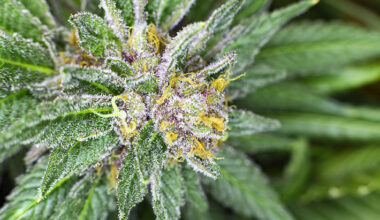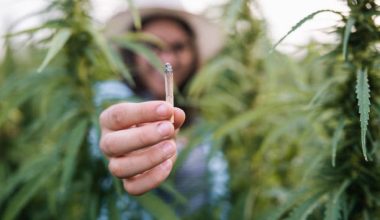

Alex had heard the same advice from friends for years: choose indica to relax and sativa to feel energized. When Alex finally started reading cannabis product labels, though, the differences seemed less straightforward. Some products had mixed genetics, others highlighted specific terpene profiles, and many descriptions promised effects that sounded almost identical. Alex realized that understanding cannabis meant looking beyond two familiar labels and learning what the available research actually says.
What Do Indica and Sativa Mean?
Indica and sativa are traditional terms used to describe cannabis plants. Historically, they have been associated with differences in plant appearance, growth patterns, and geographic origins.
Indica-type plants are often described as shorter and bushier, with broader leaves. Sativa-type plants are commonly described as taller, with narrower leaves. These general differences can be useful when discussing plant characteristics, but they do not reliably predict how a particular cannabis product will affect someone.
Modern cannabis breeding has produced many hybrids, which combine genetics from different plant varieties. As a result, a product marketed as indica, sativa, or hybrid may have a complicated genetic background. Labels are often used as convenient categories, but they do not provide a complete scientific description of the product.
For consumers, the practical lesson is simple: these names can offer some background, but they should not be treated as a guarantee of a specific experience.
Why Indica Is Often Associated With Relaxation
Indica products are commonly marketed as suitable for evening use or relaxation. Some consumers report that particular products make them feel calm or sleepy. However, those experiences do not establish that every indica-labeled product will have the same effect.
Cannabis effects depend on several factors, including THC and CBD concentrations, other chemical compounds, the amount consumed, a person’s previous experience with cannabis, and individual differences in biology. Sleep, mood, medications, and the setting can also influence how someone responds.
THC is the primary intoxicating compound in cannabis. Products with higher THC concentrations can increase the likelihood of impairment, anxiety, confusion, or other unwanted effects. CBD does not produce the same intoxicating effect as THC, but it can still have biological effects and may interact with certain medications.
Rather than relying solely on an indica label, review the product’s cannabinoid information and health warnings. Remember that a product marketed for relaxation may still cause unwanted effects, including anxiety or impaired coordination.
Why Sativa Is Often Associated With Energy
Sativa products are frequently advertised as uplifting, stimulating, or suitable for daytime activities. Some consumers describe their experiences in those terms, but the label alone cannot predict whether a person will feel energized, focused, anxious, sleepy, or impaired.
A product’s THC level may be more relevant to some of its immediate risks than its indica or sativa classification. Higher THC exposure can affect attention, memory, reaction time, and decision-making. These effects can interfere with daily responsibilities even if a product is marketed as energizing.
The setting and the person using cannabis also matter. Someone who feels comfortable with one product may respond differently to another, and the same person may have different experiences on different occasions.
There is no reliable rule that makes sativa products suitable for work, driving, studying, or other activities requiring concentration. Cannabis can impair performance regardless of its label, so anyone who uses it should avoid driving or operating machinery while impaired.
What About Hybrid Cannabis?
Hybrid products come from breeding cannabis varieties with different genetic backgrounds. They are often marketed as indica-dominant, sativa-dominant, or balanced hybrids.
These descriptions can help organize product catalogues, but the words do not provide a precise measurement of expected effects. A product described as an indica-dominant hybrid is not guaranteed to be sedating, just as a sativa-dominant hybrid is not guaranteed to be stimulating.
When comparing hybrids, look at the information that is available about the specific product. This may include THC and CBD content, the stated ingredient profile, the product format, and relevant warnings. If the producer provides credible laboratory information, it may offer additional details about the product’s chemical composition.
Even then, chemical information cannot predict every individual’s response. Product labels should be treated as useful reference points rather than promises about how a person will feel.
How Cannabinoids and Terpenes Fit Into the Picture
Cannabis contains many compounds, including cannabinoids and terpenes.
Cannabinoids include THC and CBD, which have different effects on the body. THC is responsible for much of cannabis’s intoxicating effect, while CBD does not cause the same high. The amounts of these compounds can vary significantly between products.
Terpenes are aromatic compounds found in cannabis and many other plants. They contribute to smells and flavours often described as citrusy, earthy, pine-like, or floral. Some researchers are studying whether terpenes influence cannabis effects, but the evidence is still developing. A particular aroma does not prove that a product will produce a specific mood or physical response.
This is one reason product descriptions that focus exclusively on indica or sativa may leave out important information. A broader view of a product’s composition provides more context, even though it cannot eliminate uncertainty.
For a more detailed look at available cannabis categories, Indica and sativa differences is a relevant starting point for further product research. As with any catalogue, verify the seller’s legal authorization in your location and check official health information before making decisions.
How to Compare Cannabis Products More Carefully
If you are researching cannabis products, a consistent comparison method can help you avoid relying on marketing labels alone.
- Check cannabinoid levels. Review the stated THC and CBD amounts and understand the difference between total package content and concentration.
- Read the full product description. Look for the product format, ingredients, package size, and warnings rather than focusing only on the strain name.
- Be cautious with effect claims. Words such as calming, energizing, or focus-enhancing are not guarantees of how you will respond.
- Review credible sources. Official health guidance can help distinguish established risks from claims that need more research.
- Consider personal risk factors. Cannabis may be especially risky for young people, during pregnancy or breastfeeding, and for people with certain mental health conditions or medication interactions.
Health Canada offers evidence-based information about cannabis effects, risks, and safer-use considerations. Its cannabis health information is a useful resource for understanding the potential consequences of cannabis use.
Safety Matters More Than the Label
Indica and sativa labels can be convenient when discussing cannabis, but they should not be used as substitutes for product information or health guidance. Cannabis can affect memory, judgment, coordination, and reaction time. Some people may also experience panic, paranoia, or other unpleasant psychological effects.
Avoid combining cannabis with alcohol or other intoxicating substances, as doing so can increase impairment. Keep cannabis securely stored away from children and pets, and never drive while impaired. People who are considering cannabis for a medical concern should speak with a qualified health professional rather than relying on strain labels or marketing claims.
Ultimately, understanding the difference between indica, sativa, and hybrid products begins with recognizing the limits of those categories. Looking at cannabinoid content, product details, scientific evidence, and personal health considerations provides a more balanced basis for learning about cannabis.
When comparing cannabis products, would you put more weight on the indica or sativa label, or on the product’s cannabinoid information and verified details?
Medical Disclaimer:
The information provided in these blog posts is intended for general informational and educational purposes only. It is not a substitute for professional medical advice, diagnosis, or treatment. Always seek the advice of your physician or other qualified healthcare provider with any questions you may have regarding a medical condition. The use of any information provided in these blog posts is solely at your own risk. The authors and the website do not recommend or endorse any specific products, treatments, or procedures mentioned. Reliance on any information in these blog posts is solely at your own discretion.