Something has changed in Ann Arbor over the past few years, and you can feel it in everyday conversations. It shows up during late-night talks between friends, in wellness circles, and even in quiet reflections after long walks through town. The tone isn’t rebellious or reckless. It’s thoughtful. More adults are openly discussing their experiences with magic mushrooms, not as a party trick, but as a tool for insight, perspective, and growth. When people bring up magic mushrooms Ann Arbor, the conversation usually leans toward learning and intention rather than shock value.
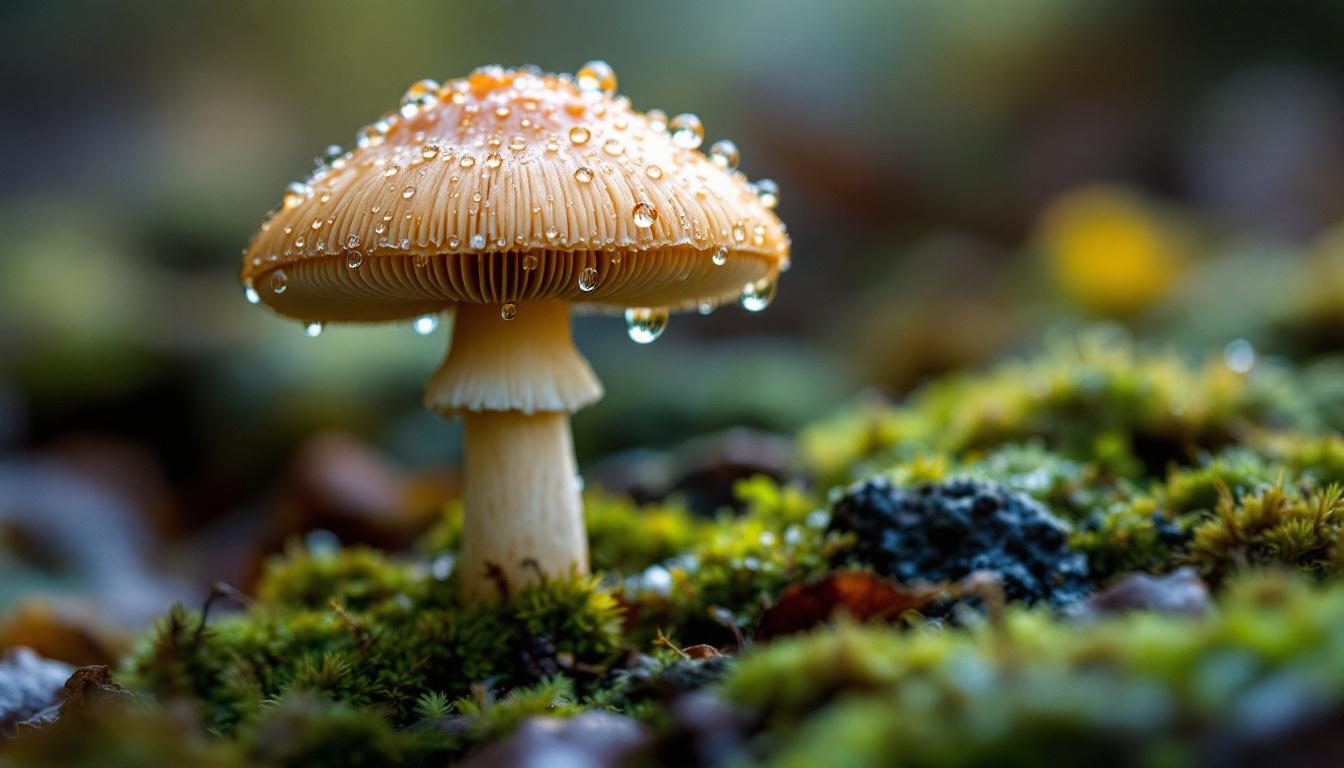
Magic mushrooms contain psilocybin, a naturally occurring compound that affects how the brain processes information. After consumption, psilocybin converts into psilocin, which interacts with serotonin receptors. That interaction can temporarily shift mood, perception, and thought patterns. For many users, colors appear richer, music feels deeper, and everyday thoughts take on new layers. Some describe it as turning the volume down on outside noise and turning the volume up on internal awareness. It’s not about escaping reality. It’s about seeing it from a slightly different angle.
Ann Arbor stands out because the city has decriminalized entheogenic plants and fungi, including magic mushrooms. That decision helped move the topic into open discussion. When people don’t have to hide their curiosity, they tend to approach it more responsibly. Instead of relying on rumors, adults can research, ask questions, and think carefully about their choices. If you’ve explored information around magic mushrooms Ann Arbor, you’ve likely noticed that education and responsible use are emphasized. For those wanting to learn more about access and local resources, magic mushrooms Ann Arbor provides guidance in a clear and straightforward way.
One reason interest keeps growing is personal reflection. Many users describe mushrooms as a pause button in a fast-moving life. Modern routines can feel nonstop—work deadlines, social media, constant notifications. During a mushroom experience, people often report that thoughts slow down. Patterns in behavior become more obvious. Emotions that were pushed aside come forward. That doesn’t mean every moment is easy. Sometimes insight requires honesty. But many say the clarity afterward feels refreshing, like opening windows in a stuffy room.
Creativity is another strong theme. Artists, musicians, and entrepreneurs often mention perspective shifts during or after an experience. Ideas connect in ways they hadn’t considered before. Problems feel less rigid. It’s not that mushrooms hand over brilliant ideas on a silver platter. Instead, they can soften mental barriers that keep thinking stuck in the same grooves. That shift in perspective is part of what draws curious minds back to the conversation.
Of course, mushrooms are not casual supplements. The experience typically unfolds over four to six hours. The onset may begin within 30 to 60 minutes, bringing subtle shifts in sensation or mood. During the peak, visuals and emotions can intensify, and time may feel stretched or slowed. As the effects gradually fade, many people describe a calm afterglow marked by reflection and emotional softness. Dose plays a significant role in how strong these stages feel. That’s why experienced users often encourage starting with a lower amount and adjusting slowly rather than jumping into a heavy experience without preparation.
Another factor that shapes the experience is what people call “set and setting.” Set refers to your mindset. If you enter the experience anxious or distracted, those feelings can become amplified. Setting refers to your environment. A comfortable home, nature, calming music, and trusted company often support a smoother experience. Preparation doesn’t require anything complicated, but intention matters. Respecting the process increases the chance that the experience feels meaningful rather than overwhelming.
The broader interest in magic mushrooms Ann Arbor also connects to expanding research. Scientists have been studying psilocybin for its potential role in addressing depression, anxiety, and trauma. While mushrooms are not a universal solution, the growing body of research has encouraged more serious conversations. When science joins personal stories, curiosity tends to deepen rather than fade.
What makes Ann Arbor’s culture around mushrooms stand out is maturity. People talk openly about preparation, dosage, and integration afterward. They share lessons learned. They emphasize responsibility. That shift from secrecy to education changes the tone completely. Instead of being driven by hype, the focus becomes awareness and thoughtful exploration.
Magic mushrooms are not for everyone. They are not a shortcut to happiness or success. They are a powerful tool that can reveal insight when approached with patience and care. For many adults in Ann Arbor, the appeal isn’t about escape. It’s about understanding themselves more clearly. And maybe that’s why the interest continues to grow—not because mushrooms promise something flashy, but because they invite a simple, honest question: what might you learn if you truly slowed down and listened?
Medical Disclaimer:
The information provided in these blog posts is intended for general informational and educational purposes only. It is not a substitute for professional medical advice, diagnosis, or treatment. Always seek the advice of your physician or other qualified healthcare provider with any questions you may have regarding a medical condition. The use of any information provided in these blog posts is solely at your own risk. The authors and the website do not recommend or endorse any specific products, treatments, or procedures mentioned. Reliance on any information in these blog posts is solely at your own discretion.